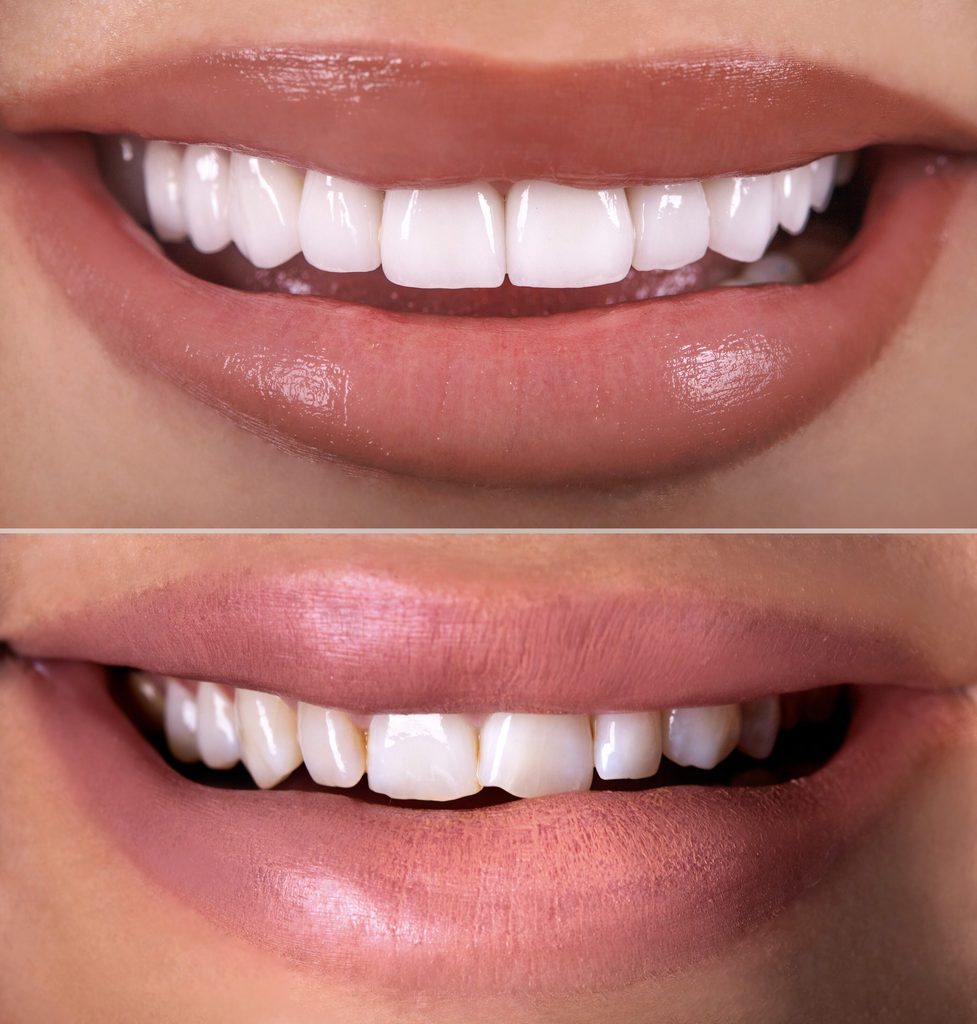
A chipped tooth, sudden pain, or a crack you notice while eating can quickly turn an ordinary day into a stressful one. Your first thought might be whether the tooth can be repaired or if you’ll lose it altogether.
The good news is that a damaged tooth doesn’t automatically mean extraction is necessary. With the right evaluation and timely care, many teeth can be preserved. The key is understanding the damage and addressing it before the problem becomes more complicated.
Not Every Damaged Tooth Needs to Be Removed
It’s easy to assume that a severely chipped, cracked, or painful tooth is beyond repair. However, the appearance of a tooth doesn’t always tell the whole story. Some damage may be treated with a straightforward restoration, while other cases require a more involved approach.
Preserving your natural teeth is a priority whenever possible. Natural teeth help maintain your bite, support everyday chewing, and contribute to your overall oral health. Even if a tooth looks noticeably damaged, there may still be a way to restore its strength and function.
The Type and Extent of Damage Matter
Not all dental injuries are alike.
- A small chip in the enamel presents a different challenge than a deep crack or a tooth that has been damaged by extensive decay.
- The location of the injury also matters, especially if it affects the part of the tooth responsible for supporting normal chewing.
Your symptoms can offer helpful clues. Sensitivity to cold, pain when biting down, swelling, or persistent discomfort may indicate that the damage extends beyond the visible surface.
The goal is to look beyond the immediate problem and find an option that supports lasting function.
When a Dental Emergency Needs Immediate Attention
Some dental problems can wait for a scheduled visit. Others need prompt attention. Contact a dentist right away if you have:
- A knocked-out adult tooth
- A fractured tooth with significant pain
- Swelling around a tooth
If you break a tooth, call your dentist even if the discomfort feels manageable. They can assess how urgent it is and help prevent complications.
How Advanced Dental Technology Helps Assess Tooth Damage
Sometimes, the most important part of treating a damaged tooth is identifying what you can’t see. A crack may extend beneath the gumline, or damage may affect structures that are not visible during a basic examination.
Modern dental technology can help provide a more detailed picture to quickly identify the root of the problem.
Acting Quickly Can Improve Your Treatment Options
A small problem can become a bigger one when left untreated. A minor crack may worsen under repeated chewing pressure, while untreated decay can continue weakening the tooth. Delaying care can also allow an infection to develop or progress.
Seeking attention early gives your smile an opportunity to be assessed before additional complications arise. Although prompt treatment cannot guarantee that every tooth will be saved, it may preserve options that become more limited as damage progresses.
Schedule a Closer Look to Better Understand Your Options
When a tooth is damaged, you deserve clear answers about what happened, what can be done, and which treatment makes the most sense for your needs. At Broadway Dental of Pearland in Pearland, Dr. Andrew Allouch offers emergency dental care, using modern technology and personalized treatment planning to help patients with their immediate dental problem.
If you are dealing with a damaged tooth or unexpected dental pain, schedule an emergency dental appointment to protect your smile and possibly save your tooth today.